

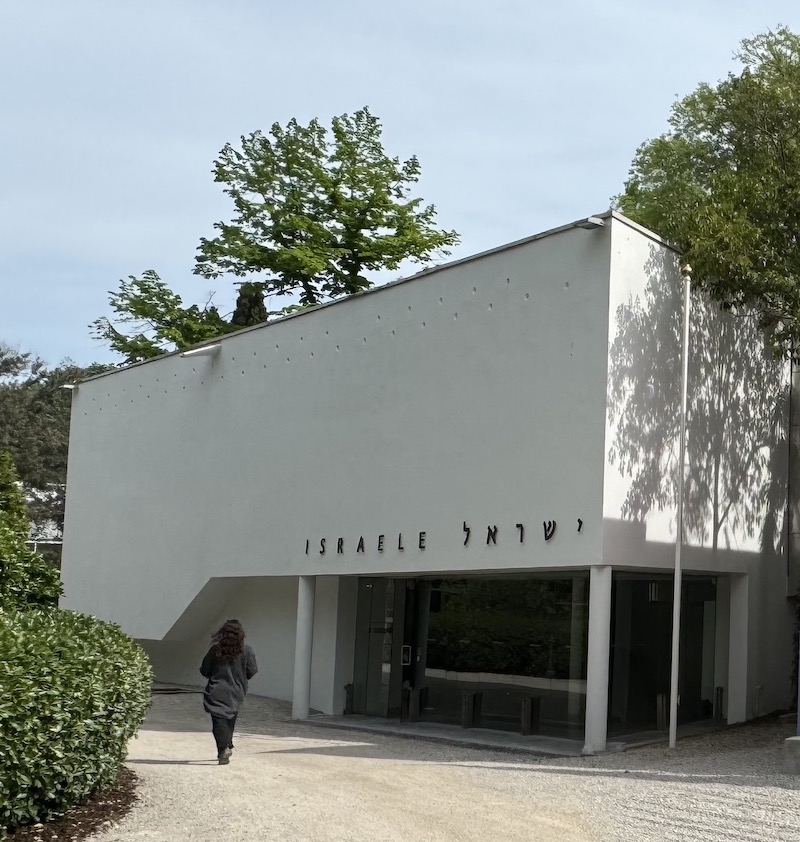
The 61st Venice Biennale has become a focal point for intense geopolitical debate as nearly 200 participating artists, curators, and cultural workers have formally called for the exclusion of Israel from the 2026 exhibition. Organized by the activist collective Art Not Genocide Alliance (ANGA), the open letter was delivered to the Biennale’s board and its president, Pietrangelo Buttafuoco, just weeks before the event’s scheduled opening on May 9. The letter characterized the institution’s inclusion of an Israeli pavilion as a form of “complicity” in the ongoing conflict in Gaza and the West Bank. The signatories include high-profile artists such as Alfredo Jaar, Yto Barrada, and Lubaina Himid, along with curators such as Binna Choi, Inga Lace, and Natasa Petresin-Bachelez.
The petition represents a significant escalation in a campaign that has sought to deplatform the Israeli state on the international cultural stage. As noted by Ocula, the letter asserts that “no artist or cultural worker should be asked to share a platform with this genocidal state,” arguing that the Biennale’s commitment to human values is fundamentally at odds with the current military actions in the Palestinian territories. This latest push follows an earlier appeal sent in October 2025 that reportedly went unanswered by the Biennale’s administration. Hyperallergic reported that some signatories chose to remain anonymous, citing fears of physical, political, or legal repercussions, while others representing over 30 national pavilions have publicly lent their names to the cause.
The Biennale’s leadership has remained firm in its refusal to bar any nation recognized by the Italian Republic, maintaining a long-standing policy of institutional neutrality. In a statement highlighted by ArtReview, the Biennale board rejected all forms of “exclusion or censorship,” framing the biennale as a “place of dialogue, openness, and artistic freedom.” This stance mirrors the response to a similar, much larger petition in 2024, which garnered over 24,000 signatures. At that time, Italy’s then-Culture Minister Gennaro Sangiuliano condemned the boycott calls as “shameful,” a position that has largely been upheld by the current administration under Alessandro Giuli, despite growing pressure from the international art community.
The current controversy is further complicated by the logistics of the 2026 edition, where the Israeli pavilion is being hosted in the Arsenale complex due to ongoing renovations of its permanent site in the Giardini. Artnet News reported that ANGA has specifically criticized this arrangement, alleging that the Biennale management is going to “great lengths” to accommodate the Israeli presence while rejecting proposals for an official Palestinian collateral event.
As the May opening draws closer, the shadow of the 2024 edition looms large over the proceedings. During that year’s exhibition, the Israeli pavilion remained shuttered after artist Ruth Patir and her curators made a symbolic decision not to open until a ceasefire and hostage release agreement were reached—a move that The Guardian noted was seen by some as a profound artistic statement and by others as an insufficient gesture. With ANGA now threatening “reputational and economic consequences” for the 2026 event, the Venice Biennale faces a critical test of its relevance and ability to navigate the contemporary art and global politics.